The logo is often the last thing locked in a bag order, and the first thing a customer notices. Choosing the method is not just an aesthetic call — it changes the unit cost, the minimum order quantity, and how long the branding survives daily use. Buyers who decide early avoid a familiar pattern: a great sample, then a production run where the logo looks cheaper than expected.
Embroidery
Embroidery stitches the logo into the fabric with thread. It reads as premium, lasts the life of the bag, and handles rough handling better than any printed method. The trade-offs are cost per unit and a minimum that makes sense only above a few hundred pieces. Fine detail and tiny text do not embroider well — simple marks and bold wordmarks work; thin lines fill in.
Screen and digital print
Printing sits on the surface, so it can reproduce gradients, photographs, and fine text that embroidery cannot. It is cheaper at low volume and flexible on placement. The limit is durability: cracking and fading appear faster than with embroidery, especially on bags that flex and get washed. For private label programs, print is the fast, low-commitment entry point.
Woven and printed labels
A woven label sewn into a seam or pocket is the quiet, durable choice and the industry standard for brand tags. Printed labels cost less and allow more color, but they wear sooner. Either way, a label survives longer than a printed panel logo and costs little to change between runs.
Deboss and metal badges
Deboss (pressed, no ink) and metal or rubber badges give a tactile, premium feel on leather or structured panels. They add a component and a step, so they suit higher-price lines where the brand mark is part of the product story rather than a stamp.
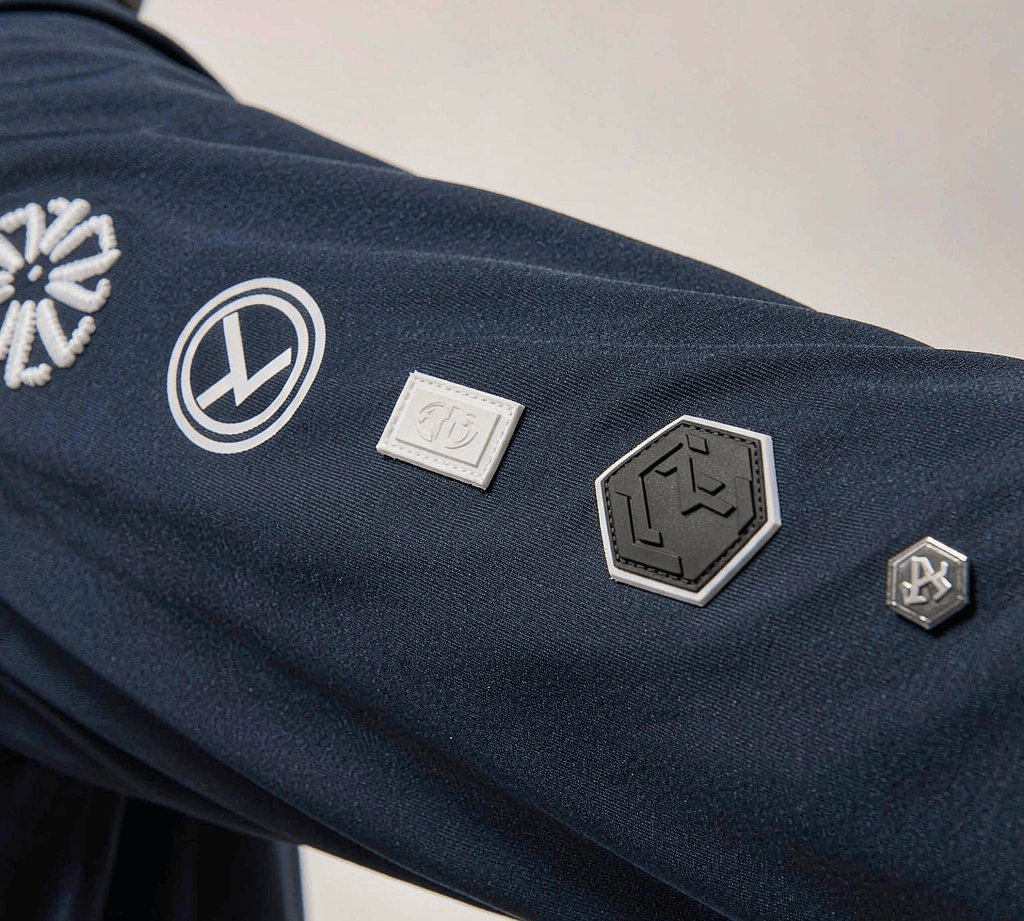
Matching method to order profile
A useful frame: embroidery or woven label for durability and premium feel, print for detail and low volume, badge or deboss for structured premium goods. The decision should follow the bag’s price point and use, not a default the factory happens to push.
For bags shipped to retailers, the logo also touches compliance and packaging. Some markets expect the brand mark to stay permanent and legible through the product’s life, which rules out peel-prone prints for those channels. Confirming the sales channel before the method is locked avoids a costly switch after the first shipment leaves the dock.
This is exactly the kind of choice that should be settled during sample development, because switching methods later means new tooling and a new approval cycle. It also feeds directly into manufacturer selection: some shops embroider in-house and outsource print, which affects lead time and consistency. The same shops that handle prototyping well tend to document logo placement precisely, which is what keeps a production run consistent.
Method is only one axis of customization — the other is how deep the build itself goes, and the three tiers of backpack customization are what really move unit cost and lead time.
Team and gym duffels almost always get a custom logo, so plan the print method with the bag — our gym duffel wholesale guide covers capacity, wet storage, and print methods for bulk orders.
Frequently Asked Questions
Which logo method lasts longest?
Embroidery and woven labels outlast prints by a wide margin. Embidery survives abrasion; a sewn label stays readable for the bag’s life. Prints crack and fade sooner.
Embroidery or print for small orders?
Print, typically. It needs no minimum that punishes low volume and reproduces detail embroidery cannot. Embroidery becomes economical above a few hundred units.
Can I combine logo methods?
Yes, and it is common — an embroidered main mark plus a woven care label, or a printed panel with a metal badge. Combining lets you balance cost and premium feel.
When should the logo method be decided?
During the sample stage. Changing it after production starts triggers new tooling and re-approval, which adds cost and delays the run.
Buyers comparing suppliers can review our full bag catalog for OEM/ODM specs, materials, and MOQ.