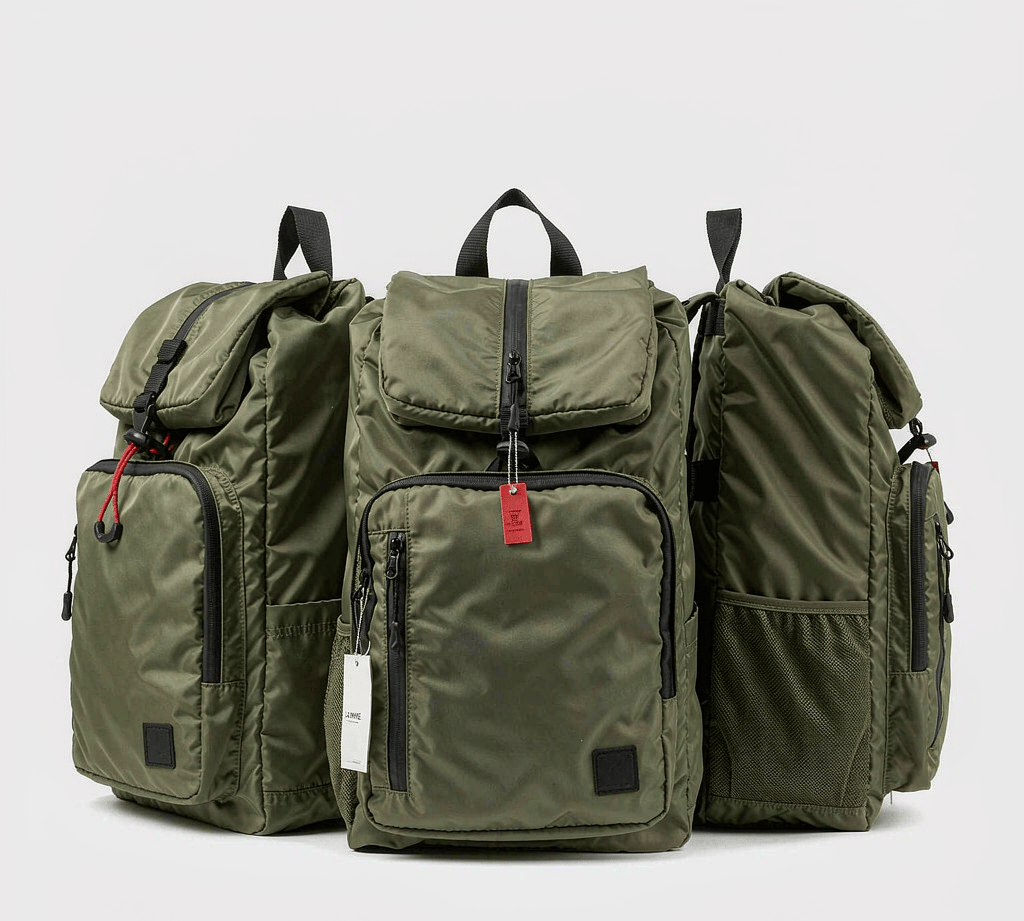
A reference sample—often called a golden sample or sealed sample—is the single approved physical bag that defines exactly what “good” means for a bulk order. Lock one before production starts, and every carton in the run is measured against the same yardstick instead of against memory or a photo. For OEM and ODM buyers, it is the cheapest insurance against a 3,000-piece order that looks nothing like the prototype you approved.
What a reference sample is (and isn’t)
A reference sample is not the prototype you tweaked during development, and it is not a random unit pulled from the first production batch. It is a deliberate, signed-off unit built to the final spec, then sealed and stored so it cannot be quietly swapped. The factory keeps one; you keep one. When a dispute arrives six weeks later, both sides open the same sealed bag.
When to lock it
The right moment is right after prototype approval and before bulk cutting begins. Once fabric is laid out and the line is running, a “let’s just fix it next time” attitude locks in the wrong version. Tie the reference sample to the purchase order number so it travels with the contract, not with someone’s desk drawer. A clear sample development timeline keeps the approval step from slipping.
What to document on the sealed unit
A bag reference sample only works if it carries the full spec on its back. Write or tag the following onto the unit or its accompanying sheet:
- Material and color with the approved lab dip number, because a swatch in a PDF drifts from the real roll.
- Dimensions with tolerances, not just a target length.
- Hardware grade, finish, and any corrosion-resistant coating agreed in the spec.
- Stitch type and density at the stress points.
- Labels, care tags, and any compliance marks required for the destination market.
How buyers actually use it in QC
The reference sample is a working tool, not a museum piece. Incoming inspection pulls it out to check the first articles. In-line checks compare halfway through the run. Final inspection measures the last cartons against the same bag. If your supplier already runs a documented quality control system, the reference sample becomes the pass/fail anchor inside it. Where defects appear, the agreed defect rate tells you whether a batch is acceptable or needs rework.
Mistakes that void the sample
The most common failure is never sealing one—buyers approve a photo and hope. The second is keeping the only copy at the factory, where it quietly “gets lost” when a new shift takes over. The third is documenting color from memory instead of from the approved lab dip, so every batch drifts a shade. A sealed sample plus a short sample development timeline keeps the whole order honest from proto to container.
FAQ
What is the difference between a prototype and a reference sample?
A prototype is a development unit you iterate on; it may still change. A reference sample is the final, frozen version signed off after development, used to judge bulk production.
Who keeps the reference sample, the buyer or the factory?
Both. The factory keeps a working copy on the line, and the buyer keeps a sealed copy. Matching the two is what resolves quality disputes.
How many reference samples should I seal?
At least two—one for the factory floor and one for you. For long runs or split shipments, seal one per production batch so a later carton is judged against the same unit.
What happens if bulk does not match the reference sample?
You reject or rework the off-spec units and reference the sealed sample as evidence. This is exactly why locking the sample before bulk, and defining the defect rate up front, protects your order.
Related reading
For a wider view of qualifying a production partner, see our guide to evaluating bag supplier capabilities.