The first article inspection is the checkpoint where the factory builds one complete bag to the approved specification and the buyer verifies it before committing to a full run. Skipping this gate is the fastest way to lock a defect into thousands of units, because bulk production simply repeats whatever the line was set up to do. A short delay here costs far less than a container of wrong bags.
What the check actually is
The article uses production materials, tooling, and operators, not the sample room. It proves the line can hit the spec at scale, not just that a prototype looked right. Buyers normally request one finished piece, or a small set, built from the same rolls and hardware planned for the order. If the sample room used a different machine or a cleaner offcut, the bulk line will not match it, and this stage is where that gap shows up.
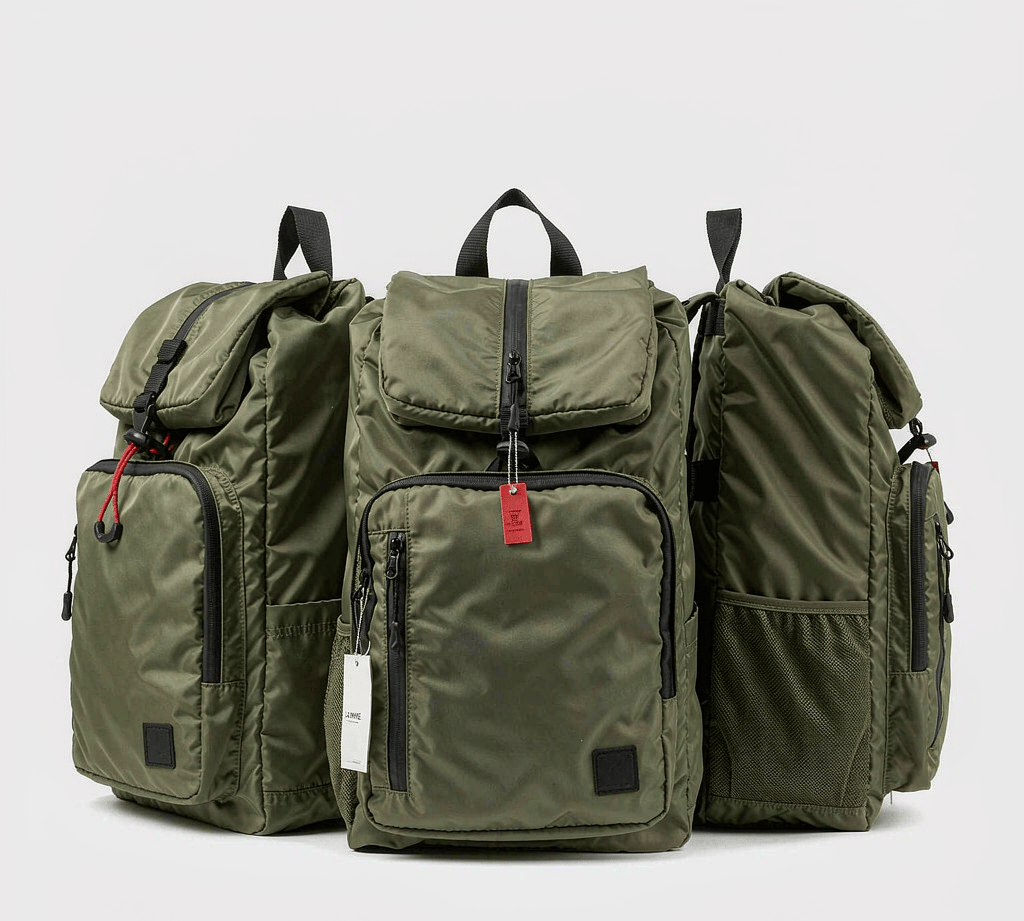
What to check on the piece
Measurements. Every key dimension is checked against the tolerance in the tech pack. Our notes on bag dimensional tolerances explain how much variation is normal and when a panel is out of spec.
Material behavior. Fabric that shrinks after washing will change the fit of the finished product. Confirming fabric shrinkage on the production cloth is part of the check, not something to discover after bulk.
Workmanship. Stitch quality, hardware fit, and edge finishing are judged against the sealed reference. That reference is the real baseline, covered in our guide to the bag reference sample. A loose bartack at a handle or a misaligned zip is exactly the kind of fault this stage should catch.
Packing. Carton count, hangtags, and protective wrapping travel with every unit in the run, so they belong in the check too. A great bag in the wrong carton still creates a returns problem.
FAI versus lot inspection
This gate happens once, before bulk starts. Lot inspection happens during and after the run. The two are different stages, and a good lot check still depends on a clean sign-off to set the standard. Our explainer on AQL inspection levels shows how the bulk lot is sampled once production is underway.

Recording the sign-off
The result should be a short report: photos of the piece, the measured deviations, and a clear accept or reject. Any deviation is listed so the factory knows what to adjust before bulk. That report becomes the acceptance baseline for the whole order, so a vague approval is worse than a strict one. Keep the signed report with the purchase order; when a later lot drifts, it is the document you refer back to.
FAQ
What is the pre-bulk sign-off in bag production?
It is one complete bag built from production materials and verified against the approved spec before the full run starts, proving the line can repeat the design.
How is it different from a pre-production sample?
A pre-production sample proves the design works. The pre-bulk check proves the production line can build it consistently with the same materials and tooling planned for bulk.
Who builds the article?
The factory builds it, usually at the buyer’s request, using the planned production cloth, hardware, and operators rather than the sample room.
What happens if the article fails?
The buyer lists the deviations, the factory fixes tooling or the spec, and a new piece is inspected before any bulk cutting begins.
Conclusion
The pre-bulk sign-off is the cheapest place to catch a defect, because it stops the line before it repeats the mistake. Judge the piece against the sealed reference, write the deviations down, and treat the report as the bulk baseline. For the steps that lead into this stage, see our guide to the custom bag sampling process.