Sourcing a commuter backpack line means specifying a 20–28 L capacity, a suspended laptop sleeve, and a water-resistant shell before logo or color. Lock denier, hardware grade, and AQL thresholds with your factory so the build survives subway, bike rack, and rain without the daily friction that drives poor reviews.
Define the Commuter Profile Before Sampling
A commuter build lives between home and work, not on a trail. It is wedged under a desk, slung through a turnstile, or strapped to a bike rack in the rain, so the details that matter are different from a hiking pack. Write down the dominant commute—train, bike, or car—because it decides capacity, opening style, and weather rating before any color is chosen.
Capacity and Daily-Load Specs
Capacity is the first filter. Under 18 L struggles with a lunch box and water bottle next to the laptop; over 30 L tempts overpacking and fights for space on a crowded car. For most commutes a 20–28 L pack holds the essentials and still fits under a seat or behind a rider.
| Your typical load | Recommended capacity |
|---|---|
| Laptop, charger, wallet, keys | 18–20 L |
| Plus lunch, water bottle, notebook | 22–25 L |
| Plus a change of clothes or shoes | 26–30 L |
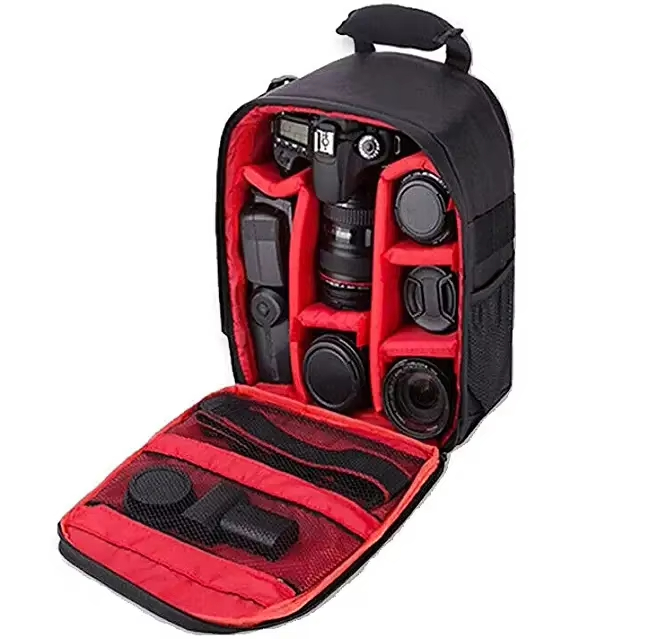
| Plus gym or camera gear daily | 30 L and up |
If you are between sizes, size down. A smaller pack forces the junk to stay home, and a lighter commute is a better commute.
For a club or corporate program, the daily load often grows with branded extras—a notebook, a power bank, a refillable bottle—so size the capacity to the heaviest realistic day, not the lightest. A 26 L build absorbs these additions without bulging, while a 20 L build forces the user to choose what to leave behind, which reads as a design flaw in reviews. Confirm the loaded sample against the 20–28 L sweet spot before committing tooling.
Laptop Protection: Suspended Sleeve and False Bottom
The laptop is the expensive item in the bag, so protect it with measurable specs. Specify a suspended compartment, a false bottom, and closed-cell foam of 8–10 mm on the walls, sized 0.2–0.5 inches larger than the target device. The sleeve should sit against the back panel, not the ground, with a separate zip so the device clears security without unpacking the whole bag. Open sponge flattens under compression and stops absorbing impact, so specify closed-cell foam.
Weather Resistance: Fabric and Coating
Commuting happens in weather. Specify 600D–1680D polyester or nylon with a PU or TPU coating of 0.15–0.3 mm; 900D–1200D covers most programs, and 1680D suits year-round cyclists. A water-repellent shell handles drizzle, while welded or TPU-coated seams handle a soaked ride. If the program targets EU retailers, rPET at 600D–900D meets many sustainability asks with a GRS file. Confirm a spray test on the coated shell at the factory.
- Shell: 900D–1200D polyester for most; 1680D for heavy bike use.
- Coating: PU or TPU, 0.15–0.3 mm, plus an included rain cover if needed.
- Zips: self-repairing coils; consider water-resistant tapes for the main opening.
Carry and Comfort Hardware
Comfort details matter more than they look on a daily carry. Specify padded, contoured shoulder straps, a ventilated back panel, and a sternum strap that stabilizes the load when walking fast or riding. A luggage pass-through sleeve covers the days the user also travels. Bar-tack every strap anchor at 8–10 SPI and target 20 kg+ pull strength at anchors. A removable waist belt is a bonus for heavier loads but most commuters never need it.
Security and Organization Details
A hidden back-panel pocket keeps a wallet or transit card away from pickpockets on transit. Lockable zippers and anti-cut fabric add peace of mind in busy stations. Internal organization should follow the daily routine: a quick-access pocket for phone and keys, a structured sleeve for the laptop, and a side pocket for the bottle so it never touches electronics. Map each pocket to a real task before approving the sample.
Compliance and QC for Export
For the EU, REACH conformance for dyes and coatings is the baseline, with OEKO-TEX Standard 100 supporting audits; for US retail, Prop 65 limits apply to specific phthalates and lead. Write QC into the PO: AQL 2.5 for major defects and AQL 4.0 for minor, with inline checks at 20% and 80% production plus a final audit. Add a zip-cycle test of 5,000+ openings, a foam-thickness check at three sleeve points, and a compartment-fit check. An ISO 9001-certified factory and a BSCI or SMETA audit report satisfy most onboarding questionnaires.
MOQ, Lead Time, and Carton Planning
A commuter backpack program runs a MOQ of 300–1,000 units per colorway, with a development sample in 7–12 days and bulk lead time of 35–55 days after approval. Because the product is compact, carton density is high and freight per unit stays low—but confirm carton dimensions with your forwarder so palletisation stays efficient. A 35–55 day bulk window plus ocean transit of 25–40 days puts a restock two to three months out, so keep the approved sample, test reports, and spec sheet on file for repeat orders.
Get a Custom Bag Quote
With capacity, laptop protection, and QC defined, the next step is a manufacturability review. Send your tech pack for a costed quote and a realistic lead-time window: Request a quote →
Related: How to Choose a Laptop Bag covers suspended-compartment and foam specs for electronics-carrying builds in more detail.
The step-by-step walkthrough lives in How to measure backpack.
Go deeper in Ergonomic backpack.
Frequently Asked Questions
What size backpack is best for commuting?
For most people a 20–28 L backpack is the sweet spot, holding a laptop, charger, lunch, and a water bottle while fitting under a seat or behind a rider. Light packers can drop to 18–20 L; anyone carrying gym or camera gear should look at 30 L and up.
Should a commuter backpack be waterproof?
Water-resistant fabric is enough for most commutes, but a fully waterproof or welded pack is worth it if the user bikes in rain or walks long stretches uncovered. Specify the worst-weather day, not the average, when deciding the coating and seam construction.
What foam thickness protects a commuter laptop?
Closed-cell foam of 8–10 mm on the compartment walls, combined with a suspended compartment and a false bottom, gives the best protection. Target a sleeve 0.2–0.5 inches larger than the device so insertion is easy and the machine cannot slide during a stumble.
What denier fabric suits a commuter backpack?
900D–1200D polyester covers most programs; 1680D ballistic nylon suits year-round cyclists and heavy daily use. Pair either with a 0.15–0.3 mm PU or TPU coating, and consider rPET at 600D–900D for EU sustainability asks.
What MOQ is typical for a custom commuter backpack?
Most cut-and-sew programs start at 300–1,000 units per colorway. Below that, tooling and setup costs push unit price up. A 300-unit minimum usually keeps the line cost-efficient while leaving room for colorway testing.
What QC plan prevents commuter-bag defects?
Specify AQL 2.5 for major defects and AQL 4.0 for minor, with inline checks at 20% and 80% production plus a final audit. Add a 5,000+ zip-cycle test, a foam-thickness check at three sleeve points, and a compartment-fit check against the target device.
Buyers comparing suppliers can review our backpacks and laptop bags for OEM/ODM specs, materials, and MOQ.