Specifying vegan leather bags is trickier than it sounds, because “vegan leather” is a category, not a single material. The options range from petroleum-based synthetics to plant-derived bio-materials, and they differ sharply on cost, durability, and environmental profile. Buyers who know the tiers can match the right one to the right price point.
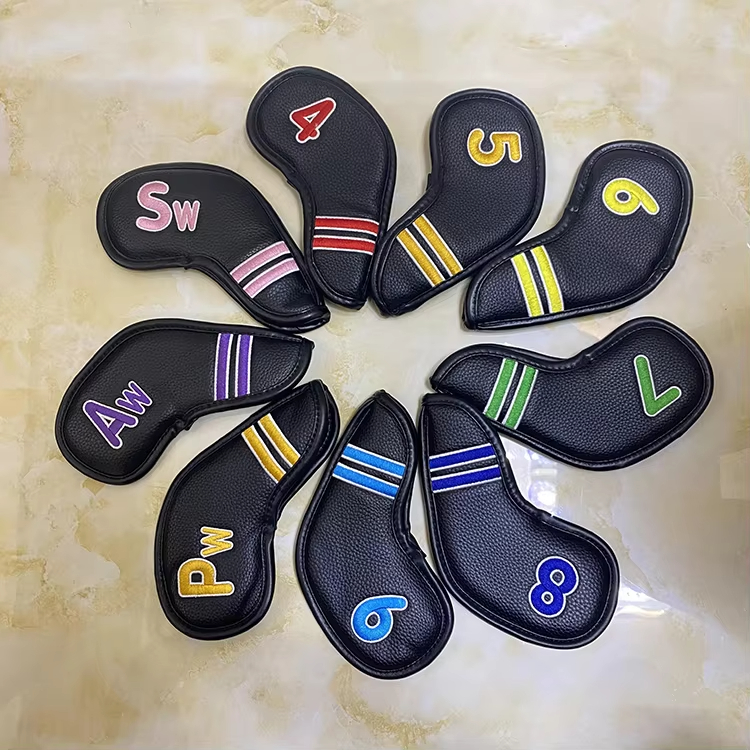
PU Leather: The Versatile Default
Polyurethane (PU) leather is the most common vegan leather in bags. A PU layer is coated onto a backing fabric (usually polyester or cotton) and embossed to mimic grain.
- Pros: affordable, widely available, flexible, takes color and texture well, softer hand than PVC.
- Cons: still plastic-based; lower-grade PU can crack or peel after heavy flexing; not biodegradable.
For most mid-market bag lines, PU is the pragmatic choice — versatile enough for totes, wallets, and straps.
PVC Leather: Cheap, but Usually Avoid
Polyvinyl chloride (PVC) is cheaper and very durable, but it is the least favored option for new lines.
- Pros: very low cost, high water resistance, tough.
- Cons: made with plasticizers that raise environmental and health concerns, stiff hand, hard to recycle, poor breathability.
Most brands phasing out PVC do so for both marketing and compliance reasons, since chemical regulations in the EU and elsewhere scrutinize PVC additives. The frameworks behind that scrutiny are summarised in bag compliance.
Bio-Based Leathers: Cactus, Apple, Mushroom
These are the premium, plant-derived alternatives:
- Cactus leather (e.g., from nopal) — durable, partial bio-content, good UV resistance; higher cost and limited suppliers.
- Apple leather — made from apple-processing waste bound with polyurethane; a credible mid-premium option with a lower fossil footprint.
-
Mushroom leather — derived from mycelium; premium hand and biodegradability potential, but the youngest supply chain and the highest cost.
-
Pros: genuine sustainability story, distinctive texture, growing retail appeal.
- Cons: 2–5× the cost of PU, variable water and abrasion resistance, smaller and less mature supply bases.
The Backing Fabric Matters
Every vegan leather is only as strong as its backing. A thin polyester backing tears under stress; a woven backing with bar-tack anchors holds. Buyers should specify the backing weight (often 80–120 gsm woven) alongside the surface material.
Care and Durability Caveats
Plant-based leathers often need gentler care — avoid harsh solvents and long UV exposure, which can dry or fade the surface. PU tolerates wiping with mild soap; none of these should be machine-washed. Where the end market demands chemical safety proof, the OEKO-TEX standard is a common reference for finished-material testing.
Cost Tiering: When to Use Each
- Entry / high-volume: PU leather — best cost-to-look ratio.
- Mid / brand-differentiated: apple or cactus blends — sustainability without mushroom pricing.
- Premium / hero product: mushroom or full cactus — for the story and hand.
- Avoid for new lines: PVC, except where extreme cost or water exposure dominates.
Tiering the material is only the first pass — what each tier costs once it becomes a lined, structured handbag is broken down in the handbag material and cost guide.
Quick Checklist
- Pick PU for volume; reserve bio-based for hero or mid-premium lines.
- Avoid PVC unless a specific cost/durability case justifies it.
- Specify the backing fabric weight, not just the surface.
- Confirm water and abrasion ratings for plant-based options.
- Verify chemical compliance for the target market.
- Match the material tier to the retail price point.
For more on selection fundamentals, the buyer’s guide section covers broader spec decisions, and OEM custom bags explains where material tiering affects production planning.
FAQ
Which vegan leather lasts longest? PU leather is the pragmatic choice for most mid-market lines because it is affordable, flexible, and softer than PVC, though lower grades can crack or peel after heavy flexing. PVC is very durable and cheap, but its plasticizers raise environmental and compliance concerns, so most new lines avoid it.
How much more do bio-based leathers cost than PU? Cactus, apple, and mushroom leathers typically run two to five times the cost of PU. They also come with smaller, less mature supply bases and variable water and abrasion resistance, which is why they suit hero or mid-premium products rather than high-volume runs.
Why does the backing fabric matter on vegan leather? Vegan leather is only as strong as its backing. A thin polyester backing tears under stress, while a woven backing with bar-tack anchors holds, so the backing weight, often 80 to 120 gsm woven, should be specified alongside the surface material.
Travel buyers increasingly ask for recycled and vegan shells, so the material choice sits next to the build — our travel bag sourcing guide applies the same shell logic across carry-on, checked, and duffel.
Buyers comparing suppliers can review our full bag catalog for OEM/ODM specs, materials, and MOQ.