Sampling is the phase where a concept becomes a physical, repeatable product. It is also the part of a bag program that most often slips a launch date, because each round depends on the one before it. A realistic bag sample development timeline runs three to four weeks for a straightforward style, and longer for anything with custom hardware, molded parts, or several revision rounds.
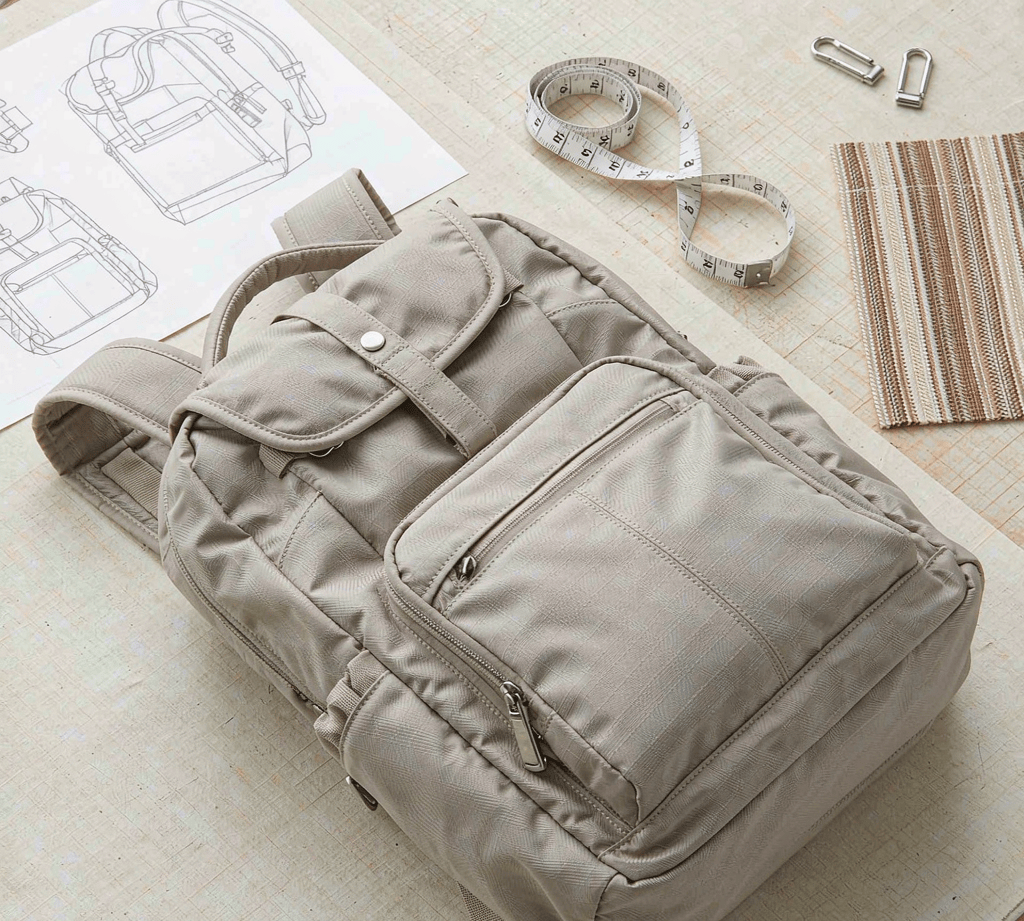
Phase 1: Mockup and Tech Pack Alignment
Before any fabric is cut, the factory works from your tech pack. A mockup in substitute material usually takes three to five working days and exists only to confirm silhouette and proportion. If the tech pack is incomplete — missing callouts, vague dimensions, unspecified hardware — this phase stretches as questions go back and forth. Our notes on bag prototyping cover what a complete pack contains.
Phase 2: First Prototype
The prototype is the first build in real materials and real hardware. Expect seven to twelve working days, depending on whether the factory sources standard or custom components. This is where function gets tested: zipper placement, strap load, pocket access, and whether the specified fabric behaves as drawn. Most programs need at least one revision here.
Catching a defect at the prototype stage is far cheaper than at the container stage, which is why the defect-rate guide for custom bags pairs sampling with the AQL terms written into the PO. The sample stage is also where you confirm claimed capacity, so review how bag liters are actually measured before approving the run.
Phase 3: Pre-Production Sample
Once the prototype is approved, the pre-production (golden) sample locks the standard. This build uses production-line materials, the actual factory line, and final hardware, so it becomes the reference for later inspection. Budget five to ten working days. A solid golden sample is what bag quality control checks against during bulk production.
What Shifts the Timeline
Several factors move the calendar more than others:
- Custom hardware: a bespoke buckle or zipper pull can add two to three weeks of tooling before sampling even starts.
- Material lead time: standard 600D or 1000D fabrics are usually on hand; recycled or coated specialties may need to be ordered in.
- Revision rounds: every change sent back for another sample costs a full prototype cycle.
- Approval speed: a buyer who reviews within 48 hours keeps momentum; one who sits on a sample for a week adds that directly to the clock.
Leather goods add one more variable to that list: purse sourcing usually needs a material approval round before the first prototype, because a hide or coating swap changes the pattern as well as the cost.
Stacked together, those four explain why a first order needs six weeks before bulk is even quoted: at 7–14 days per iteration, two extra revision rounds consume the entire buffer, which is why the sample plan in the soft luggage dropshipper checklist is built around approval speed.
Compressing the Schedule
The fastest programs share three habits. They ship a complete tech pack up front, they consolidate hardware into a short approved list so nothing needs custom tooling, and they set a single decision-maker for approvals. When those are in place, a three-week timeline is normal rather than optimistic. The backpack manufacturing cost breakdown shows why material and hardware choices made at this stage also shape price later.
FAQ
How many sampling rounds should I expect?
Most new styles need two to three rounds — mockup, prototype, then a confirmed pre-production sample. A very simple bag can sometimes move straight from mockup to golden sample.
Can sampling start before the tech pack is finished?
Not usefully. Starting cuts before dimensions and materials are fixed produces a sample that has to be redone, which costs more time than waiting a few days to finalize the pack.
Who keeps the pre-production sample after approval?
It should stay with the manufacturer as the production reference, with a copy retained by the buyer. Disagreements about bulk quality are resolved by comparing finished goods to that sealed sample.
Does a faster timeline mean lower quality?
Only if it skips stages. Condensing calendar time by parallelizing material sourcing and pre-agreeing specs is safe; cutting the prototype round is not.
Choosing a Partner Who Can Hold the Schedule
A manufacturer’s sampling discipline is a leading indicator of production discipline. When choosing a bag manufacturer, ask for the timeline of a recent comparable program, not a generic promise. Real numbers beat optimistic ones.
The 2026 shifts — recycled shells, export grade — all start at the sampling stage, so request the right rounds early — our China luggage manufacturing trends 2026 checklist ties the shifts to what you should ask the factory.
Buyers comparing suppliers can review our full bag catalog for OEM/ODM specs, materials, and MOQ.