Anti-theft bag features are not a single add-on — they are a set of construction choices a buyer specifies before production. The features that actually stop theft are slash-resistant body panels, cut-proof straps, lockable zippers, body-facing compartments, and RFID shielding. This checklist helps procurement and brand teams write those choices into a tech pack so a factory builds the protection in, instead of just printing “anti-theft” on the label.
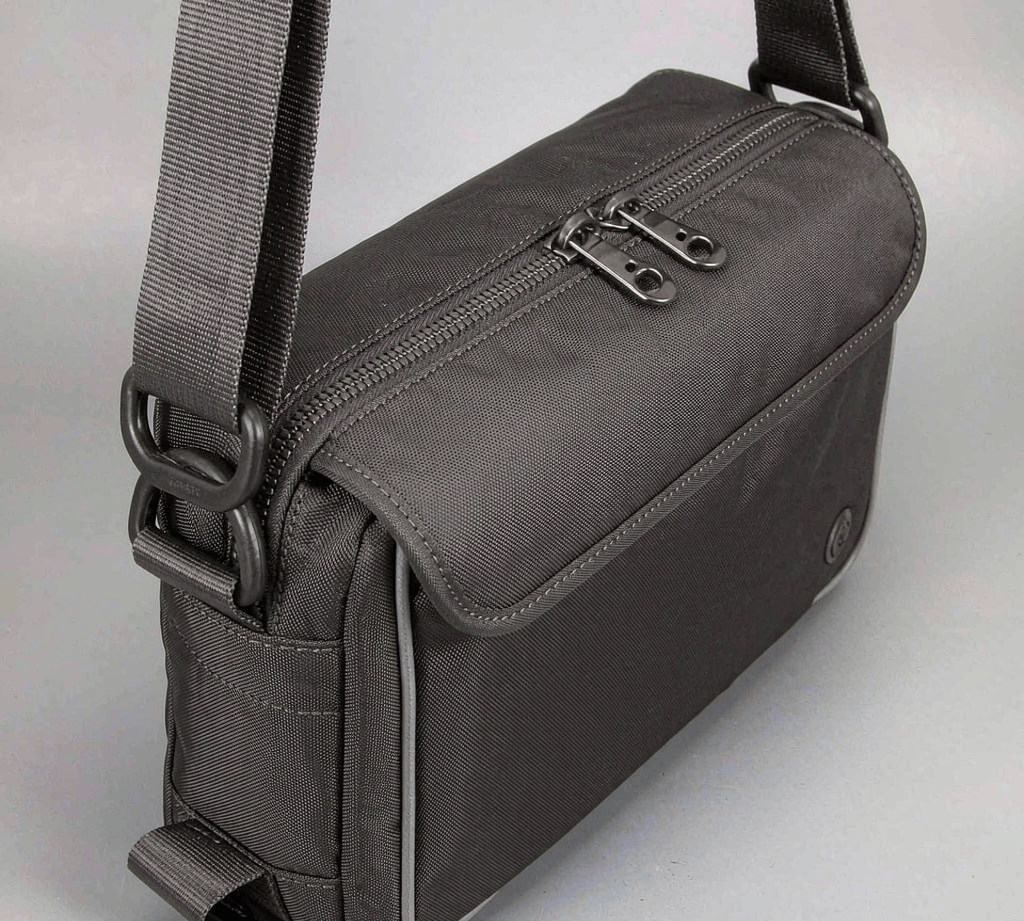
Slash-resistant body panels
The body is the most common attack surface in a slash-and-grab. A genuine slash-resistant panel places a flexible barrier between the outer fabric and the lining: either a fine stainless-steel wire mesh or a high-strength composite such as UHMWPE. The barrier must cover the area a blade would target — the lower front panel, side walls, and base — not just a logo patch. Buyers who want a verifiable claim can ask for an ANSI/ISEA cut-resistance level in the spec rather than a vague adjective. A full-perimeter mesh adds slight stiffness but removes the diagonal-cut path into the main compartment. For the woven side of the same problem, see our guide to bag webbing and strap specs.
Cut-proof straps
Strap cutting is the tactic behind scooter and bicycle snatch theft: a single swipe severs standard webbing and the bag is gone. A cut-proof strap runs a steel or aramid cable continuously through the webbing, from one mounting point to the other. The cable should stay flexible enough to rest comfortably across the shoulder, and the stitching where the strap meets the D-ring or slider deserves extra bartacks because that is where load concentrates. Specifying the cable by material and diameter — not just “reinforced” — is what keeps a factory from substituting plain webbing. The same D-rings that anchor the strap also become the lockdown points covered next, which is why our strap hardware guide lists the connector grades buyers should name.
Lockable zippers and lockdown points
A standard zipper opens in seconds and silently. Lockable hardware closes that gap: interlocking sliders that clip together, a pull that tethers to a D-ring on the body, or a small built-in lock. The key detail buyers miss is coverage — every external compartment, including the front and side pockets, needs the same treatment, or the secure main cavity is undermined by an open flap pocket. Slider construction also matters in wet or dirty environments, which is why the waterproof zipper spec overlaps with security hardware: a well-sealed, lockable zip is both weatherproof and tamper-slower. Write the lock style and the number of lockable compartments into the tech pack explicitly.
The pull that tethers to a D-ring is itself a spec item. A custom zipper pull tab needs its own material, logo method, and pull-tab QC note in the tech pack so every unit matches.
Hidden, body-facing compartments and RFID shielding
Pockets placed against the wearer’s back are physically unreachable to anyone behind them, which makes them the right home for a passport, cards, and cash. Many of those pockets also carry a thin metallic lining that blocks RFID skimming of contactless cards and e-passports on the 13.56 MHz band. RFID shielding is a useful layer, but it only defeats electronic reading — it does nothing against a blade or an unzipped pocket. Our RFID laptop bag guide covers where the shielding layer belongs in a commuter build. Treat RFID as one line in the spec, not the whole story.
Anchor straps and security cables
An anchor strap is a short cable or webbing loop that tethers the bag to a fixed object — a café chair leg, a luggage rack, a desk. It addresses the grab-and-run scenario that slash-proof fabric cannot: a bag left on a seat can be lifted whole. For travel and commuter lines this is a low-cost add that pairs naturally with lockable zippers. Specify the cable length and the attachment hardware so the feature is usable, not just present.
A smaller version of that idea lives inside the bag: a key leash is a short tether with a clip that keeps keys from sinking to the bottom. Spec its length, anchor point, and clip up front.
What to put in the tech pack
A compact, verifiable spec reads better than a marketing phrase. A workable example set of lines:
- Body: stainless wire mesh, full perimeter, between shell and lining.
- Strap: steel cable, stitched-in, both ends.
- Zippers: interlocking sliders on all external compartments; one D-ring lockdown point.
- RFID: metallic lining in back-panel pocket, 13.56 MHz shield.
- Anchor: looped cable with lobster clasp.
Naming materials and a test standard turns “anti-theft” from a label into a buildable, inspectable requirement.
FAQ
Does “slash-resistant” mean the same thing on the body and the strap?
No. The body uses a mesh or composite panel barrier; the strap uses an internal cable. Verify both separately in the spec, because a cut-proof panel paired with plain webbing still fails at the strap.
Do lockable zippers actually stop pickpockets?
They make a quiet, two-second unzip impossible without the wearer noticing, which is the real goal — raising difficulty until the thief moves on. They only work if every external pocket is lockable, not just the main one.
Is RFID shielding necessary on every bag?
Only if the bag will carry contactless cards or a passport in a pocket you want protected. It stops electronic skimming but does nothing against cutting or unzipping, so it is one layer among several.
How do I confirm a factory actually built the protection in?
Specify the material by name and a test standard, add a cut-sample to the approval set, and include a QC checkpoint that checks mesh coverage and cable continuity before bulk production.
Conclusion
Anti-theft protection is a spec, not a slogan. Write the mesh, cable, lockable zippers, RFID layer, and anchor into the tech pack by name, and the factory can build it, inspect it, and ship it. For a deeper buyer-side breakdown of commuter and corporate builds, see our laptop bag buying guide.